
Introduction
Hot flashes and night sweats, also known as vasomotor symptoms, are the most common and disruptive signs of the menopause transition. If you’re looking for effective ways to manage these sudden waves of heat, you’re in the right place. This article explores five of the most effective, guideline-backed methods to help you find relief.
Symptoms of Hot Flashes: What Does a Hot Flash Feel Like?
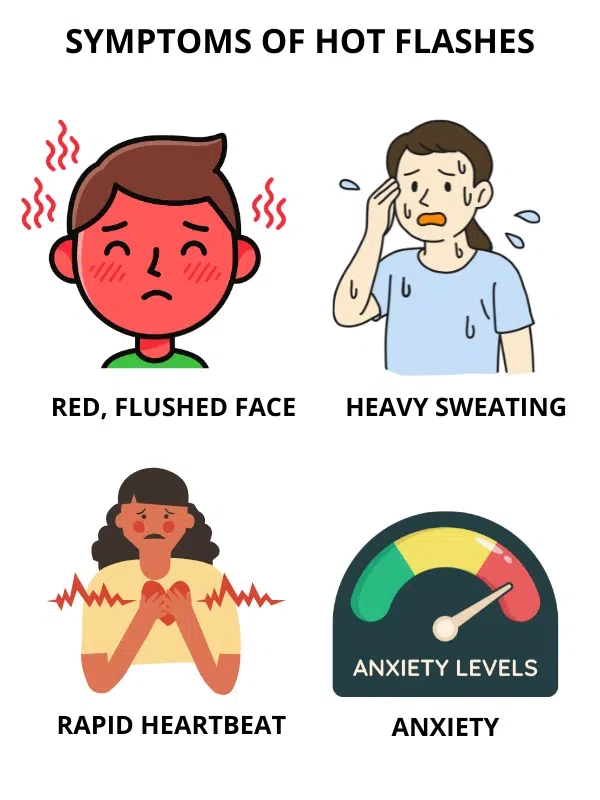
A hot flash is a sudden feeling of intense heat that is not caused by external sources. So, what does a hot flash feel like? For many, it’s a creeping, intense warmth that spreads through the chest, neck, and face. This can be accompanied by:
- A red, flushed face
- Heavy sweating, especially in the upper body
- A rapid heartbeat or palpitations
- Feelings of anxiety or being overwhelmed
- Chills as the hot flash subsides. (Source: Yale Medicine)
When these episodes happen during sleep, they are night sweats. These can be severe enough to drench your sheets and disrupt your sleep, leading to fatigue and affecting your quality of life.

Feeling the Heat? Understand Your Symptoms
What Are Hot Flash Causes? A Deeper Look
The central cause of menopausal hot flashes lies in the brain’s response to hormonal changes. Let’s break down the science in a bit more detail.
The Role of Estrogen and the Hypothalamus
The primary driver is the fluctuation and eventual decline of estrogen levels. This has a direct impact on the hypothalamus, a small but crucial part of your brain that acts as your body’s master thermostat. Its job is to keep your core body temperature within a stable, narrow range known as the thermoneutral zone.
Think of it like the thermostat in your home. When the temperature is within the set range, the heating or cooling system is off. If the temperature drops, the heat kicks in. If it rises, the air conditioning starts.
With lower estrogen levels, this thermoneutral zone narrows significantly. Your thermostat becomes hypersensitive. Things that wouldn’t have bothered you before—a slight increase in room temperature, a sip of a warm drink, a moment of stress—can now push your body temperature outside this narrowed comfort zone. In response, the hypothalamus panics and thinks you’re overheating. It initiates an aggressive cooling response: the hot flash. Blood vessels in your skin dilate to release heat (causing the flush), and your sweat glands go into overdrive. (Source: The Menopause Society)
When It’s Not Menopause: Other Causes of Hot Flashes
While menopause is the most famous culprit, it’s far from the only one. It’s important to consider other possibilities, especially if you are experiencing hot flashes outside of the typical menopausal age range or have other unexplained symptoms.
- Medications: A surprising number of prescription drugs can trigger hot flashes as a side effect. These include:
- Antidepressants: Particularly SSRIs and SNRIs, which are ironically also used to treat hot flashes.
- Breast Cancer Drugs: Tamoxifen and aromatase inhibitors are common triggers.
- Osteoporosis Medications: Drugs like raloxifene can cause flushing.
- Opioids: Pain medications such as tramadol.
- Steroids: High doses of steroids can affect temperature regulation.
- Hyperthyroidism: An overactive thyroid gland speeds up your metabolism, which can lead to a feeling of being constantly warm and trigger hot flash-like events.
- Infections: Any infection that causes a fever, like a urinary tract infection or tuberculosis, can lead to sweats and chills as your body fights it off.
- Cancer and Cancer Treatments: Some cancers, like carcinoid tumors and certain types of leukemia or lymphoma, can cause flushing. Chemotherapy and radiation are also well-known triggers.
- Anxiety and Stress: Intense emotional states can activate the body’s “fight or flight” response, leading to a surge of adrenaline that can feel very similar to a hot flash, with a rapid heartbeat and sweating.
- Neurological Conditions: In rare cases, damage to the autonomic nervous system or specific brain regions can interfere with the body’s ability to regulate temperature.
Given these varied causes, it’s essential to have a conversation with your doctor to rule out other underlying issues. (Source: Mayo Clinic)
How Long Do Hot Flashes Last and How Common Are They?
- Hot flashes affect a majority of women during the menopausal transition, with estimates ranging from 60% to 80%.
- How long do hot flashes last? On average, symptoms persist for about 7 to 9 years, but a significant number of women experience them for a decade or longer.
- The disruption from hot flashes at night is a primary driver for women seeking treatment, as it leads to poor sleep, fatigue, and can impact mood and daily functioning.
Interestingly, recent research suggests that the reported prevalence of hot flashes has increased over the last couple of decades. This doesn’t necessarily mean more women are experiencing them, but rather that awareness and willingness to discuss menopause symptoms have grown, leading to better reporting in studies.
Reported Prevalence of Hot Flashes Over Time
A meta-analysis of studies shows an increase in the reported prevalence of hot flashes, likely due to greater awareness and willingness to report symptoms. (Source: NIH)
How Is A Hot Flash Diagnosed?
A diagnosis is typically made based on your description of the symptoms, especially if you are in the typical age range for perimenopause or menopause (usually starting in your 40s or 50s). In most straightforward cases, no lab tests are needed.
However, if your symptoms are atypical or if there’s a suspicion of other underlying conditions, your doctor might recommend blood tests to check your hormone levels or rule out other medical issues like thyroid problems.
Your Quick Action Plan
Feeling overwhelmed by hot flashes? Start with these two steps. First, schedule a conversation with your doctor to discuss which medical therapy is right for you. While you wait for your appointment, you can take immediate steps to manage your symptoms. Focus on creating a cool and comfortable environment, such as using a bedside fan and wearing breathable, layered clothing. Many women also find relief by identifying and avoiding personal triggers, which can include stress, alcohol, and spicy foods. Source: ACOG
Beyond Diagnosis: What’s Your Next Step?
What Is the Best Treatment for Hot Flashes?
| Option | How it works | Onset | Effect on hot flashes | Key safety notes | Best fit |
|---|---|---|---|---|---|
| Menopausal hormone therapy (estrogen ± progestogen) | Restores estrogen signaling and widens the thermoneutral zone to stabilize thermoregulation. | Often days to weeks with robust relief when appropriately dosed. | Most effective overall treatment for hot flashes and night sweats in eligible women. | Avoid with estrogen‑dependent cancers, prior VTE/stroke/MI, or active liver disease; individualize dose and route. | Under 60 or within 10 years of menopause without contraindications. |
| Fezolinetant (NK3 receptor antagonist) | Blocks neurokinin B signaling in KNDy neurons to normalize hypothalamic thermoregulation without hormones. | Benefits accrue over 12 weeks in trials, with earlier relief for many. | Effective nonhormonal option for moderate to severe vasomotor symptoms. | 45 mg daily; baseline and periodic liver tests; avoid strong CYP1A2 inhibitors; not for severe hepatic/renal impairment. | People who can’t or prefer not to use hormones and want targeted relief. |
| SSRIs/SNRIs (venlafaxine, desvenlafaxine, escitalopram, low‑dose paroxetine) | Modulate serotonergic and noradrenergic pathways affecting heat‑dissipation signaling. | About two weeks for many individuals. | Mild to moderate reductions in frequency and bother across trials. | Manage GI effects and interactions; choose tamoxifen‑compatible options when relevant. | Avoiding hormones, or seeking dual mood and hot flash benefits. |
| Gabapentin | Central neuromodulation that reduces nocturnal vasomotor symptoms and improves sleep continuity. | About two weeks; bedtime dosing commonly favored. | Meaningful reductions vs placebo with special utility for night sweats. | Drowsiness and dizziness; start low and titrate to effect. | Hot flashes at night and sleep disruption. |
| CBT and clinical hypnosis | Reduce distress, sleep disruption, and life interference from vasomotor symptoms. | Benefits accrue over structured, time‑limited sessions. | Improves perceived severity and quality of life even when counts change modestly. | Nonpharmacologic when delivered by trained clinicians. | Non‑drug care or layering with medications for comprehensive control. |
How Can Hormone Therapy Stop Hot Flashes?
Estrogen therapy is the most effective hot flashes treatment for eligible women. It can be prescribed alone (if you’ve had a hysterectomy) or with a progestogen (to protect the uterus). It is especially effective when started under age 60 or within 10 years of menopause onset.
- How it works: It replenishes estrogen levels, which helps to stabilize the body’s temperature control center in the brain.
- Onset: Many women feel relief within a few days to weeks of starting the right dose and delivery method (e.g., patch, gel, or pill).
- Who benefits: Healthy women under 60 or within 10 years of their final menstrual period are generally good candidates.
- Safety notes: Hormone therapy is not recommended for women with a history of estrogen-dependent cancers (like breast cancer), blood clots, stroke, or heart attack.
Is There a Non-Hormonal Pill for Hot Flashes?
Fezolinetant is a newer, non-hormonal medication approved for moderate to severe hot flashes. It offers a targeted approach by working on the brain’s temperature-control pathway. (Source: U.S. FDA)
- How it works: It blocks a chemical in the brain called neurokinin B, which is involved in triggering hot flashes.
- Dosing: It’s a once-daily pill. Your doctor will need to do a baseline liver function test and monitor it periodically.
- Best fit: This is a great option for those who cannot or do not want to use hormone therapy.
- Safety notes: It’s not recommended for people with severe liver or kidney problems and can interact with some other medications.
Can Antidepressants Help with Hot Flashes?
Certain antidepressants, specifically SSRIs (selective serotonin reuptake inhibitors) and SNRIs (serotonin-norepinephrine reuptake inhibitors), can provide relief from hot flashes. Options include venlafaxine, desvenlafaxine, escitalopram, and a low-dose formulation of paroxetine.
- Onset: Improvement is often noticed within a couple of weeks.
- Best fit: A good choice for women who want to avoid hormones or who are also experiencing mood swings or anxiety.
- Safety notes: It’s important to discuss potential drug interactions with your doctor, especially if you are taking other medications like tamoxifen.
Is It the Right Treatment for You?
What Can I Do About Hot Flashes at Night?
Gabapentin is a medication that is often used to treat seizures and nerve pain, but it has also been found to be effective in reducing hot flashes, particularly night sweats. (Source: Cleveland Clinic Consult QD)
- Onset: Benefits usually appear within two weeks. The dose is often started low and gradually increased.
- Best fit: It’s particularly useful for women whose main complaint is sleep disruption due to hot flashes at night.
- Safety notes: The most common side effects are drowsiness and dizziness, which is why it’s often taken at bedtime.
How Can I Manage Hot Flashes Without Medication?
Mind-body therapies like CBT and clinical hypnosis can be surprisingly effective. They work by changing your perception of and reaction to hot flashes, which can reduce their intensity and how much they interfere with your life. (Source: Mayo Clinic News Network)
- CBT: This therapy helps you reframe negative thoughts about hot flashes and develop coping strategies to manage them better.
- Clinical hypnosis: This involves guided relaxation and focused attention to help you manage your body’s response to hot flashes.
- Best fit: An excellent choice for women who prefer a non-drug approach or want to combine it with other treatments for maximum relief.
Lifestyle and Home Remedies: Your First Line of Defense
While medical treatments can be highly effective, integrating lifestyle changes can provide a powerful foundation for managing hot flashes. For some, these adjustments may be enough to provide significant relief, while for others, they can complement medical therapies. Here are some of the most recommended strategies:
Identify and Avoid Your Triggers
Many people find that specific foods, drinks, or situations can set off a hot flash. Keeping a simple journal for a week or two can help you identify your personal triggers. Common culprits include:
- Alcohol: Especially red wine.
- Caffeine: Coffee, tea, and sodas.
- Spicy Foods: Think chili, hot peppers, and curries.
- Hot Beverages and Soups: The heat itself can be a trigger.
- High-Sugar or High-Fat Foods: These can sometimes be a factor.
- Stress: A major trigger for many.
Once you know your triggers, you can try to avoid them and see if your symptoms improve.
Cooling Strategies: Your Environment and Wardrobe
- Dress in Layers: Wear lightweight, breathable fabrics like cotton or linen. Layering allows you to remove clothing quickly when you feel a hot flash coming on.
- Keep Your Bedroom Cool: Turn down the thermostat at night. Use a ceiling fan, a bedside fan, or a cooling mattress pad. Consider “chill pillows” or blankets designed to wick away heat and moisture.
- Carry a Portable Fan: A small, battery-operated fan can be a lifesaver when you’re on the go.
- Sip Cold Drinks: Keep a glass of ice water handy throughout the day. Sipping it at the start of a hot flash can sometimes help lessen its severity.
The Role of Exercise
Regular physical activity can be beneficial, though the relationship is complex. While intense exercise can sometimes trigger a hot flash, consistent, moderate activity is associated with a reduction in symptoms for many women. It also helps with stress, sleep, and overall well-being.
- Aim for Consistency: Try for at least 30 minutes of moderate-intensity exercise most days of the week. This could include brisk walking, swimming, or cycling.
- Consider Mind-Body Practices: Yoga, tai chi, and qigong combine movement with deep breathing and mindfulness, which can be particularly effective for stress reduction.
Stress Management Techniques
Since stress is a major trigger, finding ways to manage it is key. What works is highly individual, so experiment to find what you enjoy.
- Mindful Breathing: Simple, slow, deep breathing exercises can help calm your nervous system when you feel a hot flash starting. Try “paced breathing”—inhaling slowly through your nose for a count of four, and exhaling slowly through your mouth for a count of six.
- Meditation and Mindfulness: Apps like Calm or Headspace can guide you through short, daily meditations that can reduce overall stress levels.
- Prioritize Sleep: Poor sleep can increase stress and hot flashes, creating a vicious cycle. Establish a relaxing bedtime routine and stick to a consistent sleep schedule.
Hot Flash Myths: Fact or Fiction?
You just have to live with them.
Absolutely not! While they are a natural part of menopause for many, you don’t have to “just suffer through it.” There are numerous effective treatments, from hormone therapy to non-hormonal medications and lifestyle changes, that can provide significant relief.
Hot flashes only happen during menopause.
While menopause is the most common cause, other conditions like thyroid problems, certain medications, and even stress and anxiety can trigger hot flashes. If you’re having hot flashes but don’t think you’re in menopause, it’s a good idea to talk to your doctor.
Herbal supplements are a safe cure.
Many supplements are marketed for heat flash relief, but the evidence for most is weak or inconsistent. “Natural” doesn’t always mean safe. Some can interfere with other medications or have side effects. It’s crucial to talk to your healthcare provider before starting any new supplement.
A hot flash is the same as a fever.
A heat flash can certainly make you feel hot, but it doesn’t raise your core body temperature the way a fever does. It’s your body’s faulty attempt to cool down, not a response to an infection.
Separate Fact from Fiction for Your Health
When Should I See a Doctor for Hot Flashes?
If hot flashes or night sweats are disrupting your sleep, mood, or daily life, it’s time to talk to your doctor. They can help you choose the best treatment based on your symptoms, medical history, and personal preferences.
FAQs: Your Common Questions Answered Here
alcohol, and very hot beverages.